%2Ffit-in%2F250x250%2Fguide_websites%2F1040%2Fimages%2F1704298792452logo.png&w=1200&q=100)
/users/4e5f5f97-9486-47cb-8040-0c0cef51b056/ratecard/img_4652-mfgw47zu.jpg)
%2F300x300%2Fusers%2F4e5f5f97-9486-47cb-8040-0c0cef51b056%2Fratecard%2Fimg_4652-mfgw47zu.jpg&w=256&q=75)
%2F300x300%2Fusers%2F4e5f5f97-9486-47cb-8040-0c0cef51b056%2Fimages%2Fpremier-florida-fishing-tours-2540.jpg&w=256&q=75)
%2F300x300%2Fusers%2F4e5f5f97-9486-47cb-8040-0c0cef51b056%2Fimages%2Fflorida-coast-fishing-tour-2599.jpg&w=256&q=75)
%2F300x300%2Fusers%2F4e5f5f97-9486-47cb-8040-0c0cef51b056%2Fimages%2Ffishing-tour-steinhatchee-2501.jpg&w=256&q=75)
%2F300x300%2Fusers%2F4e5f5f97-9486-47cb-8040-0c0cef51b056%2Fimages%2Fthrilling-fishing-adventure-florida-2837.jpg&w=256&q=75)
%2F300x300%2Fusers%2F4e5f5f97-9486-47cb-8040-0c0cef51b056%2Fimages%2Ffishing-adventure-florida-2691.jpg&w=256&q=75)
%2F300x300%2Fusers%2F4e5f5f97-9486-47cb-8040-0c0cef51b056%2Fimages%2Fsummer-flounder-florida-fishing-2729.jpg&w=256&q=75)
%2F300x300%2Fusers%2F4e5f5f97-9486-47cb-8040-0c0cef51b056%2Fimages%2Fsummer-flounder-steinhatchee-fishing-3474.jpg&w=256&q=75)
%2F300x300%2Fusers%2F4e5f5f97-9486-47cb-8040-0c0cef51b056%2Fimages%2Ffile-1752952595705-7p5t95.PNG&w=256&q=75)
%2F300x300%2Fusers%2F4e5f5f97-9486-47cb-8040-0c0cef51b056%2Fimages%2Fsteinhatchee-fishing-clear-weather-techniques-3394.png&w=256&q=75)
%2F300x300%2Fusers%2F4e5f5f97-9486-47cb-8040-0c0cef51b056%2Fimages%2Fredfish-bait-casting-deadmans-bay-10919.png&w=256&q=75)
Premium Steinhatchee Inshore Fishing Adventure
 Steinhatchee
What you will be catching:
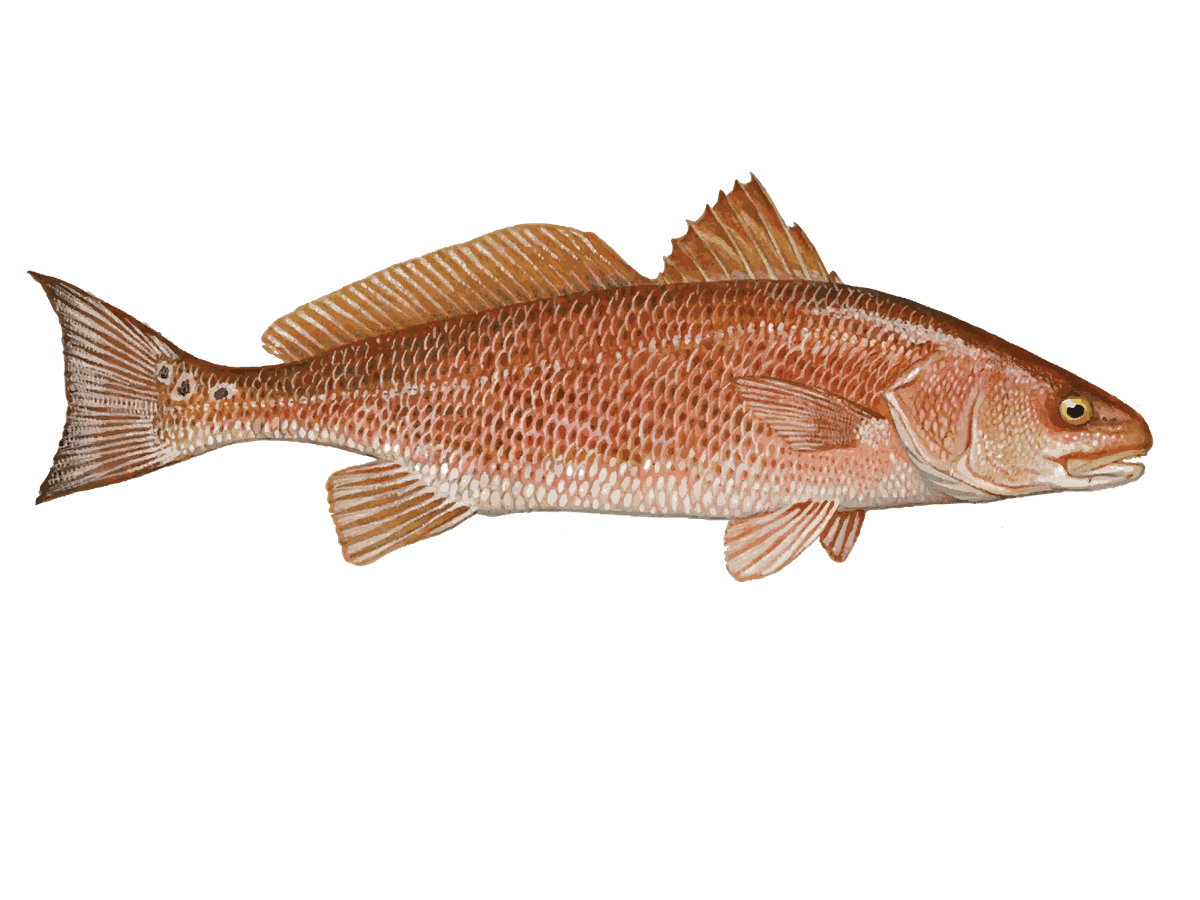
 Redfish
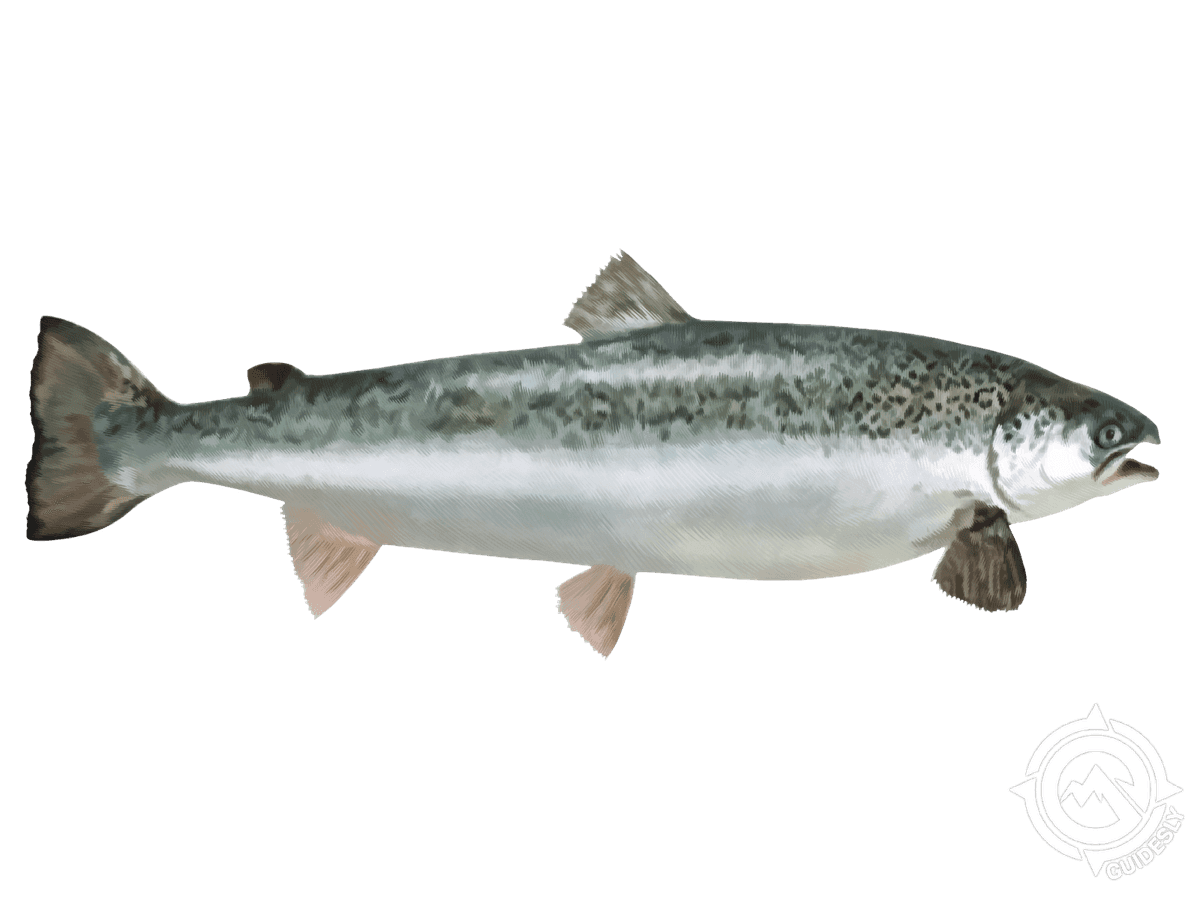
 Sea Trout
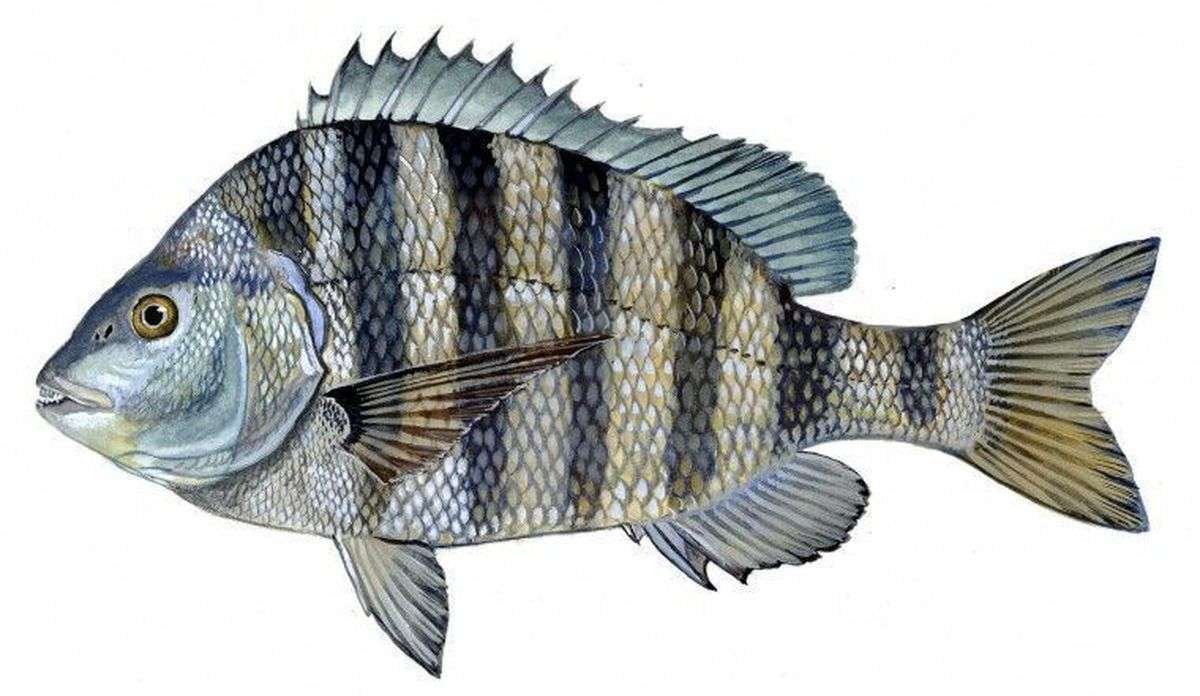
 Sheepshead
 Summer Flounder
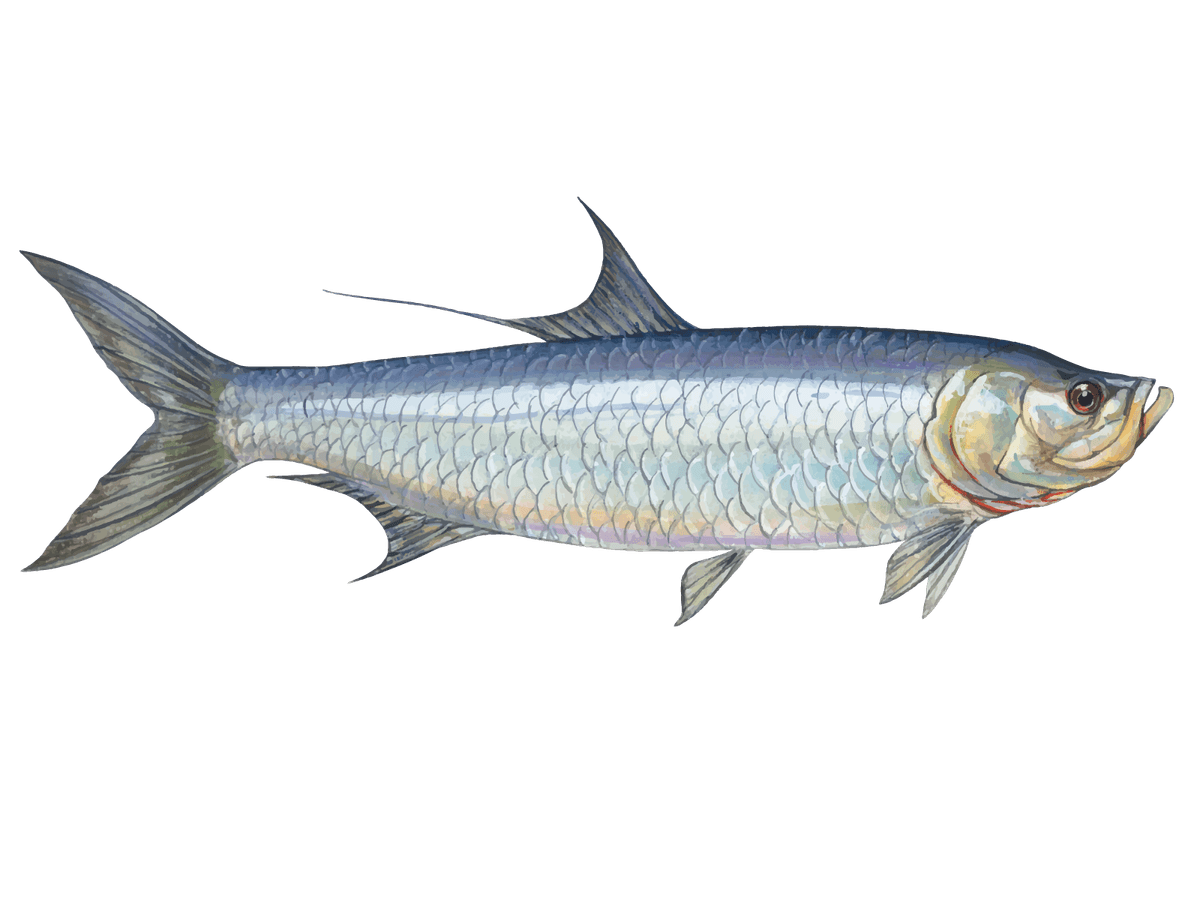
 Tarpon
- Half-day inshore fishing adventure targeting redfish, trout, and tarpon
- All equipment, bait, tackle, licenses, and refreshments provided onboard
- Expert captain guides up to three guests in uncrowded Florida waters
Trip Pricing and Availabilities:
Trip pricing information is temporarily unavailable.
Half Day Fishing Trip In Steinhatchee
Captain Chris Davy knows these Steinhatchee waters like the back of his hand, and he's ready to show you why this stretch of Florida's Big Bend is a serious angler's paradise. This half-day inshore adventure puts you right in the heart of some of the most productive fishing grounds on the Gulf Coast. You'll launch from the Marina at Deadman's Bay and work the grass flats, oyster bars, and creek mouths where redfish cruise and sea trout stack up. With everything included – bait, tackle, ice, water, and even your fishing license – all you need to bring is sunscreen and your appetite for some real Florida fishing action.
What to Expect on the Water
This isn't your typical charter boat crowd. Captain Chris keeps it small with just three guests max, which means you get personalized attention and plenty of room to cast without tangling lines. The morning starts early when the fish are most active, and you'll spend your time working the prime spots where structure meets current. Steinhatchee's unique mix of fresh and saltwater creates perfect conditions for multiple species, so you never know what's going to hit your line next. The captain reads the water conditions daily and adjusts the game plan accordingly – some days you might focus on deeper holes for bigger trout, other days you'll work shallow flats where redfish are tailing in inches of water. Chris has been guiding these waters for years and knows exactly where to put you on fish based on tides, weather, and seasonal patterns.
Techniques & Tackle Setup
You'll be fishing with light to medium tackle that's perfectly suited for inshore species. Captain Chris provides top-quality gear including spinning reels spooled with braided line for better sensitivity and hook sets. The techniques vary based on what's biting, but expect to throw live shrimp under popping corks for trout, work soft plastics around structure for redfish, and maybe even get into some sight fishing when conditions are right. The boat is rigged with a shallow draft hull that can get into skinny water where bigger boats can't go. You'll learn to read the water – looking for nervous baitfish, working birds, and subtle color changes that indicate drop-offs or grass edges. Whether you're a complete beginner or have some experience, Chris breaks down each technique so you understand why you're fishing a certain way and what to look for.
Species You'll Want to Hook
Redfish are the bread and butter of Steinhatchee inshore fishing, and these copper-colored bruisers are what keep anglers coming back. These fish average 18-27 inches in these waters and fight like they're twice their size. Fall and winter months are prime time when schools of reds move through the area, but you can find them year-round if you know where to look. They love to ambush prey around oyster bars and mangrove edges, and when you hook into a slot red, get ready for some serious drag-screaming runs. What makes redfish special here is their willingness to eat – they're not overly picky and will smash everything from live shrimp to paddle tails worked slowly along the bottom.
Sea Trout are the other main target, and Steinhatchee produces some genuine quality fish. These spotted beauties prefer grass flats and sandy potholes, especially when there's some current moving bait around. Spring through fall offers the best action, with fish ranging from keeper-sized 15-inchers up to legitimate gator trout pushing 20-plus inches. Trout have soft mouths, so the fight is more about finesse than raw power, but they make up for it with spectacular jumps and their excellent table fare. The key to consistent trout fishing here is finding the right depth – they might be in two feet of water one day and eight feet the next, depending on temperature and bait movement.
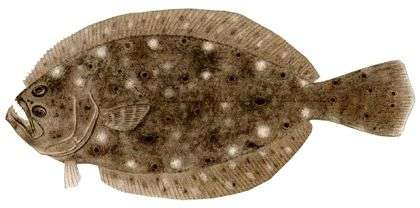
Summer Flounder add an element of surprise to every trip. These flatfish are masters of camouflage and can be tough to pattern, but when you find them, the action can be steady. Steinhatchee's sandy bottom areas and channel edges hold good numbers of keeper flounder, especially during summer months. They hit live bait drifted along the bottom and put up a surprisingly good fight for a flatfish. What's really exciting about flounder fishing is the anticipation – you never know if that subtle tap is a throwback or a genuine doormat pushing 18-20 inches.
Sheepshead show up around any hard structure, and these black-and-white striped convict fish are some of the craftiest biters you'll encounter. They're notorious bait stealers with their small mouths and human-like teeth, but once you get the hang of detecting their light bite, they're a blast to catch. Peak season runs through cooler months when they school up around bridges, docks, and rock piles. Sheepshead are excellent eating and provide a nice change of pace from the typical inshore species. The trick is using small hooks and staying alert – they'll clean your bait off without you even knowing they were there.
Tarpon are the wild card that can show up any time during warmer months. While you're more likely to encounter juvenile tarpon in the 10-30 pound range on this type of trip, even small tarpon are absolute dynamite on light tackle. They'll clear the water multiple times and test your drag system like nothing else that swims in these waters. Tarpon fishing in Steinhatchee typically peaks during summer when baitfish are thick, but resident fish hang around much of the year. When one hits, everything else stops – tarpon have a way of making every other fish seem boring by comparison.
Time to Book Your Spot
Captain Chris Davy's half-day trips fill up fast, especially during peak seasons when the fishing is hot and weather cooperates. This is the kind of charter where you actually learn something while having a great time, whether you're introducing kids to salt
Learn more about the species
Redfish
Red drum are the heart and soul of inshore fishing around here, and for good reason. These copper-colored bruisers average 18-27 inches in the shallows, with their signature black spot near the tail. They cruise oyster bars, grass flats, and mangrove shorelines in super shallow water - sometimes with their backs showing. Year-round fishing is solid, but fall brings the best action when they school up. What makes reds special is their willingness to eat almost anything and that bulldogging fight once hooked. They're also excellent table fare with firm, mild meat. The secret to consistent redfish is working the moving water around structure. I like to sight-fish them in the shallows with gold spoons or soft plastics, but when you can't see them, try a popping cork with cut bait near oyster beds during tide changes.
Sea Trout
Speckled trout are our bread-and-butter inshore species and perfect for anglers of all skill levels. They typically run 12-18 inches with those beautiful spotted sides that give them their nickname. You'll find them cruising grass flats, shallow bays, and around oyster bars in 2-6 feet of water. Spring through fall are prime, especially on moving tides during dawn and dusk. Guests love trout because they hit artificial lures hard and make great eating with tender, mild white meat. They're also willing biters, so kids and beginners can usually count on some action. The key is working soft plastics or topwater plugs over the grass beds early morning or late evening. I always recommend a popping cork with live shrimp - it draws them up from the grass and creates that dinner bell sound they can't resist.
Sheepshead
The "convict fish" with their black and white stripes are some of the craftiest thieves you'll encounter. They average 2-4 pounds around our docks and bridges, but don't let their size fool you - they pack a serious punch. These guys hang tight to any structure with barnacles, oysters, or crabs. Winter through early spring is when they really turn on before spawning season. People love targeting sheepshead because they're notorious bait stealers with those human-like teeth, making every bite a small victory. Plus, they're fantastic table fare with sweet, flaky white meat. The trick with sheepshead is keeping your bait pinned tight to the structure and using small hooks with fiddler crabs or shrimp. When you feel that subtle tap-tap, set the hook hard - they'll clean you out if you hesitate.
Summer Flounder
These "doormat" flatfish are masters of disguise and a blast to target in our sandy bottoms and grass edges. Most run 15-18 inches, but the big females can hit 24+ inches and really bend the rod. They're ambush hunters that bury themselves in sand and mud, waiting for baitfish to swim by. Fall and winter are prime time when they're feeding heavily before moving offshore. What guests love about flounder fishing is the sneaky bite - they'll grab your bait and just sit there, so you have to feel for that subtle weight. The meat is white, flaky, and some of the best eating you'll find. My trick is using a slow drift with live shrimp or mullet on a carolina rig. Keep that bait moving just off bottom, and when you feel them pick it up, count to three before setting the hook.
Tarpon
These silver giants are what fishing dreams are made of. Around Steinhatchee, tarpon typically run 4-6 feet and 80-150 pounds, though we've seen monsters push 200+. They love our deeper channels and grass flats, especially during their spring and summer migration from April through August. What makes them special? That first jump - when 100 pounds of pure muscle launches skyward, you'll understand why they're called the "silver king." They're catch-and-release fish, so it's all about the fight and photos. The key here is patience - tarpon will follow your bait forever before deciding to eat. When fishing the flats, I always tell folks to keep that bait moving slow and steady. Once hooked, keep steady pressure and let them run when they want to jump.